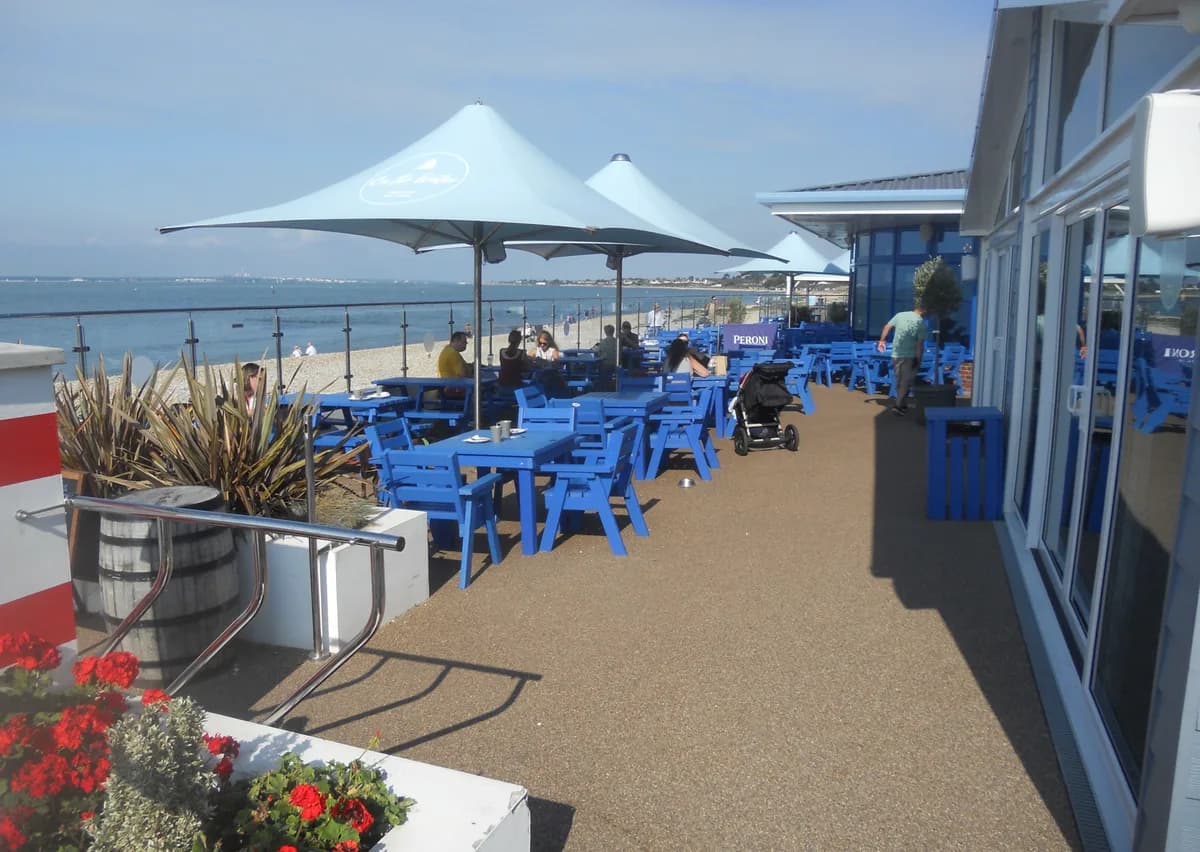
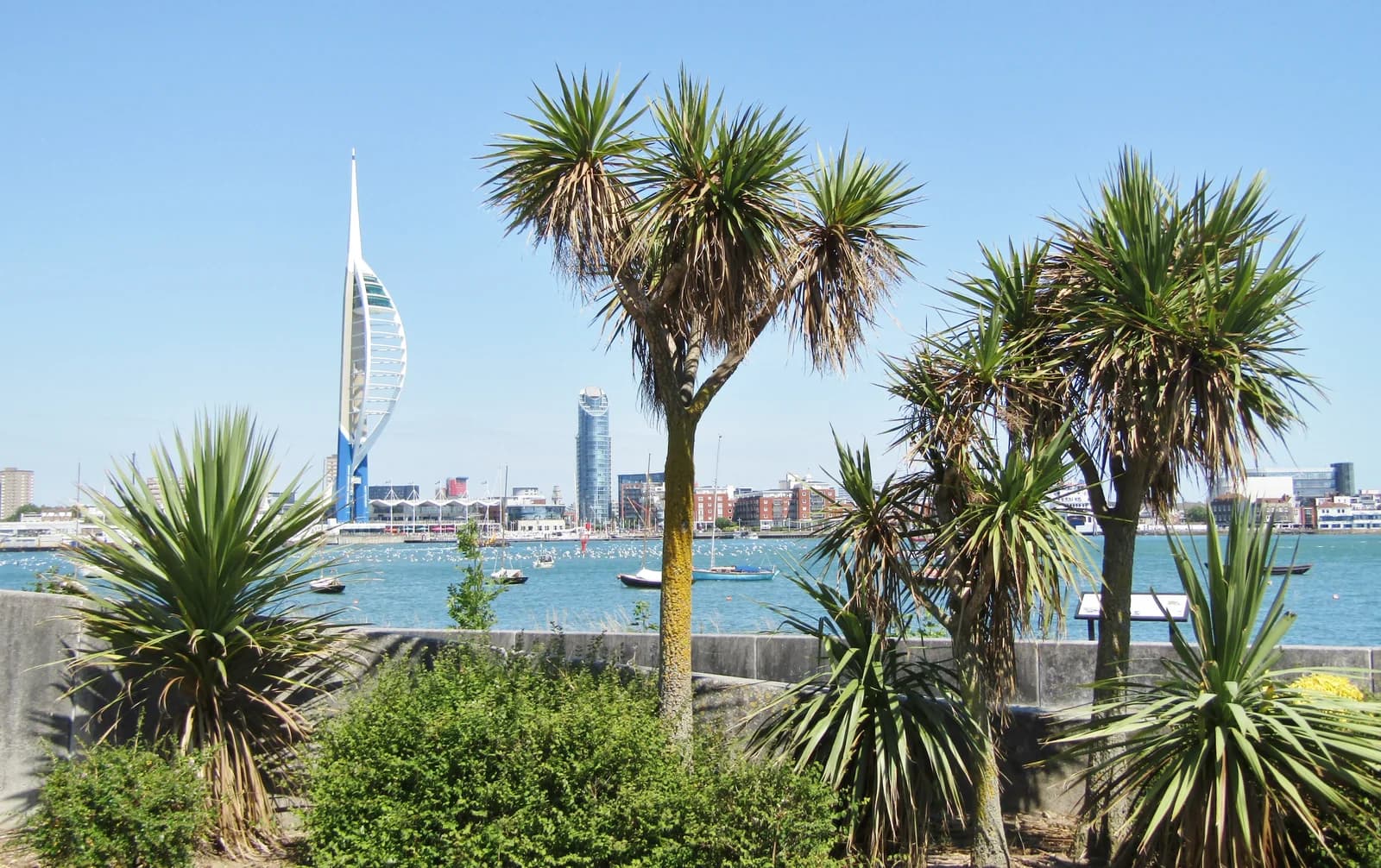
 The view from Gosport waterfront
Behind the Navy’s ships stood bakeries, breweries, storehouses and hospitals. Gosport supplied food, handled ammunition and cared for people ashore. Royal Clarence Yard, Priddy’s Hard and Haslar each played a different part in that work.
Royal Clarence Yard: feeding the fleet
Historic England traces naval supply at Weevil Yard from the early 18th century and describes its development into Royal Clarence Yard. The later complex contained bakeries, breweries and a slaughterhouse. These were working production and storage facilities, not merely a place where vessels tied up.
Victualling meant supplying ships with provisions. At Royal Clarence Yard, the bakery and brewery were part of the practical business of keeping crews fed and supplied, rather than the harbour’s fighting defences.
Priddy’s Hard: storing gunpowder
A powder magazine was completed at Priddy’s Hard in 1777. It developed into a much larger ordnance depot. Historic England’s monument entry also explains that the defensive earthworks around the site were extended before the powder depot was established.
The defensive earthworks were extended around 1757, before the powder magazine was completed. The site grew in stages as the needs of the fleet changed.
Haslar: caring for naval personnel
Historic England dates the Haslar naval hospital to 1746–1762 and also describes barracks and a military prison as parts of Gosport’s development. Medical care, accommodation, discipline and stores were distinct functions. Together they show how support for the Navy shaped life ashore.
Food, ammunition and medical care reveal another side of naval history. These shore establishments supported the people aboard the ships, alongside the more visible forts and harbour defences.
Three places with different roles
Royal Clarence Yard supplied provisions; Priddy’s Hard handled ammunition; Haslar provided medical care. Keeping these roles in mind makes it easier to understand how the different parts of Gosport’s naval heritage fitted together.
Plan a naval heritage visit
A protected building or a surviving rampart is not automatically open for visitors to enter. Use current operator information before planning access, and stay outside closed or private areas. Our naval heritage day out offers a separate practical starting point.
Explore Fareham’s trade and brickmaking, or discover more local history.